
















TALOS and EnduroSat to Build “Internet of Animals” Satellite Constellation
12.01.2026 – German space startup TALOS and Bulgarian satellite manufacturer EnduroSat have partnered up to build the ICARUS 2.0 satellite constellation. The mission – which is also known as the “Internet of Animals” – is a research project of the leading German science institution Max Planck Society that aims to monitor wildlife movements and environmental changes through advanced satellite technology. TALOS has been closely involved in the ICARUS project as a core technology partner for some time. With EnduroSat as a new industrial partner, it is now implementing the build-up of its own constellation.
Following the successful launch of a technology demonstrator in November 2025, the operational build-up of the constellation has now begun. The launch of the first operational satellite, named RAVEN, is scheduled for early this year. By the end of 2026 / beginning of 2027, four further satellites will complement the constellation which is funded by the German Federal Ministry of Research, Technology and Space and the German Space Agency at DLR. Once fully deployed, the system will provide up to five daily updates on tracked animals around the globe.
Raycho Raychev, Founder and CEO of EnduroSat, said: “We are excited to enable the deployment of space infrastructure that delivers vital data about the state of wildlife and biodiversity. This project demonstrates how space data could help address our Planet’s most pressing challenges.”
“This is European innovation at its best,” added Gregor Langer, Co-Founder and CEO of TALOS. “A Bulgarian manufacturer and a German startup are teaming up to power a global research initiative. With the upcoming launch of our first satellite, ICARUS 2.0 is moving from vision to reality. Together with EnduroSat and the Max Planck Society, we’re leveraging space technology to better understand and protect life on Earth.”
ICARUS 2.0 builds on the legacy of the original ICARUS project, an international wildlife tracking system initially hosted on the International Space Station (ISS). After the original project was suspended in the wake of Russia’s invasion of Ukraine, TALOS replaced Roskosmos – the Russian Federal Space Agency – as a key partner, joining forces with the Max Planck Society to develop and launch a new satellite constellation. By shifting to a dedicated satellite network, ICARUS 2.0 enables more frequent, cost-effective, and reliable data collection on animal movement, behavior, and environmental conditions. The system is often referred to as the „Internet of Animals“ because it creates a global, interconnected database of animal activity, similar to how the Internet connects and shares human-generated data worldwide.
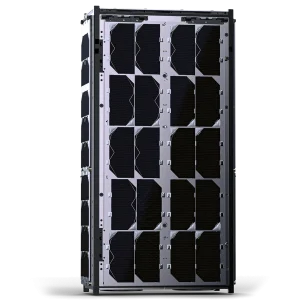
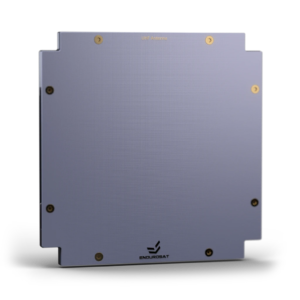
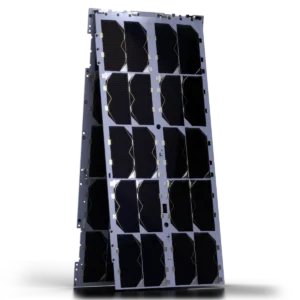
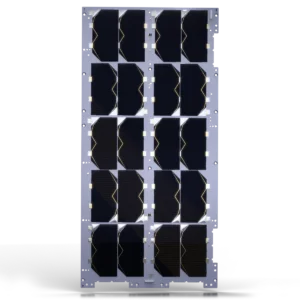
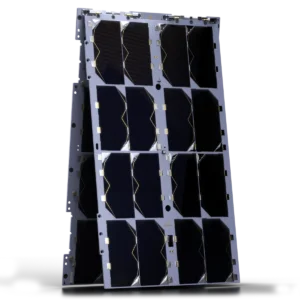
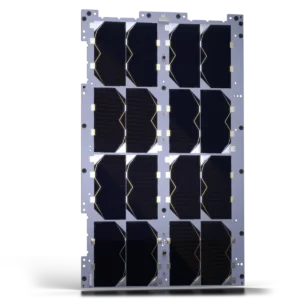
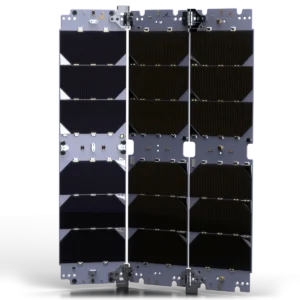
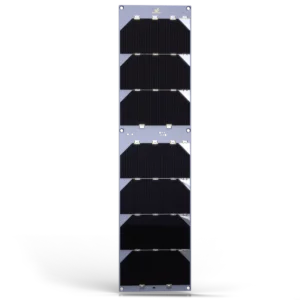
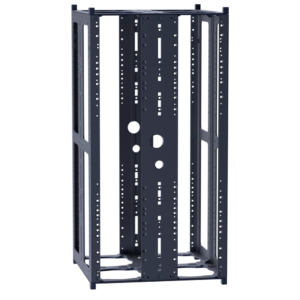
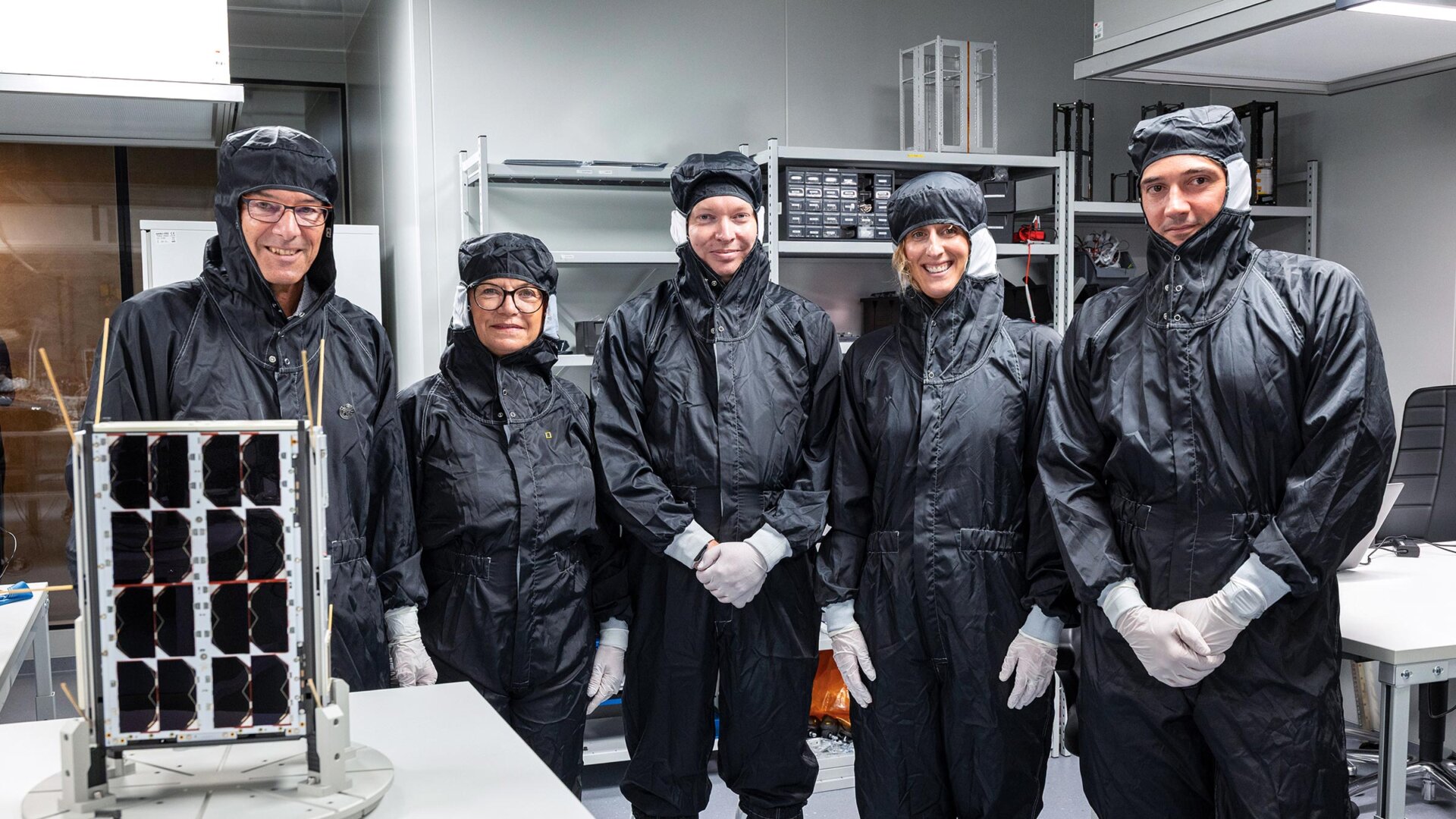
The first satellite of the constellation is a so called 6U CubeSat, a compact satellite about the size of a shoebox. It is equipped with software-defined radio, which will receive data from small tracking tags attached to animals and transmit it back to Earth. These monitor changes in location, temperature, humidity, pressure, and acceleration, providing critical insights for conservation and ecological research. The satellite is being produced in Sofia and is scheduled to be launched in February
TALOS is leading the mission design, operations and development of the tracking technology, while EnduroSat provides the satellite platform and facilitates ground station access through its network of partners. The Max Planck Society, as the scientific lead, contributes its expertise in animal tracking. Additional support for the RAVEN satellite has been provided by the National Geographic Society. As part of its global Explorer network, the organisation plans to make ICARUS technology accessible to an international community of researchers and conservation projects. The aim is to accelerate scientific work on animal migration, biodiversity and global ecosystems, while also making the insights gained available beyond academia for conservation, education and broader societal impact.
About EnduroSat
EnduroSat is a space infrastructure builder, streamlining space missions in LEO and beyond. The company manages every step – from mission design to launch and operations – serving over 350 customers globally and employing more than 300 space professionals across 6 locations worldwide.
Learn more at https://www.endurosat.com
About TALOS
TALOS is a Munich- and Dresden-based NewSpace startup and a leading innovator in IoT and animal tracking technologies. Founded in 2022, the company is at the forefront of harnessing space technology to advance wildlife conservation, environmental and climate change research. Its lightweight, solar-powered IoT trackers and CubeSat constellation will provide precise animal tracking and environmental data collection, enabling researchers, conservationists, and scientists to better understand and protect the natural world.
About Max Planck Society
The Max Planck Society is one of the world’s leading research organizations, dedicated to advancing scientific knowledge across a wide range of disciplines, from the natural sciences to the humanities. With over 80 institutes and research facilities worldwide, the Society fosters groundbreaking research to address global challenges and deepen our understanding of the world. Its mission is to drive innovation, contribute to scientific progress, and improve human welfare, making significant contributions to both fundamental science and practical applications.
Learn more at https://www.mpg.de/en
