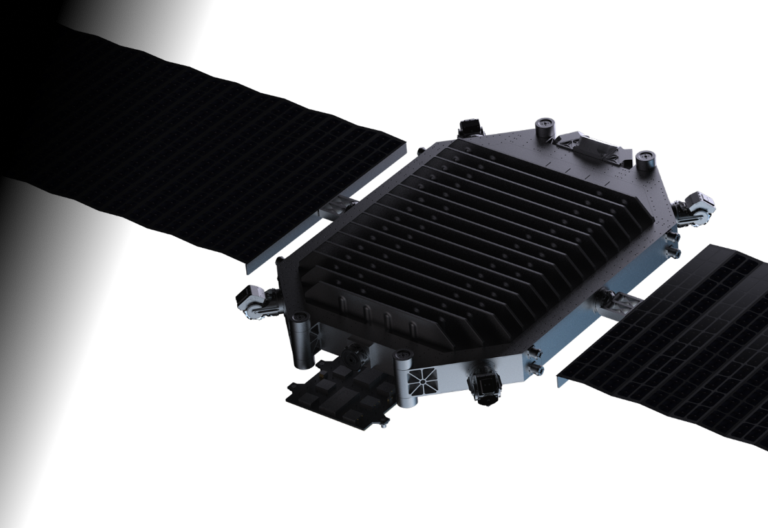
Inside EnduroSat’s Satellite Factory: The ESPA-Class Production Line

In an industry where a single spacecraft has traditionally taken months to years to complete, EnduroSat unveils the ESPA-class production line building two satellites a day.
The economics of putting satellites in orbit have always been punishing. Spacecraft were built bespoke – one at a time, each carrying its own engineering, ground systems, and operations, at costs running into tens of millions per unit. Getting to orbit took three to five years. The result: most space companies burned capital for a decade before their first satellite earned a cent, and constellations often collapsed under the cost of getting there.
EnduroSat took a different path: standardize the satellite, industrialize the build. Instead of engineering every spacecraft from scratch, the company built a common architecture – shared modules, shared software, shared production and operations. The reasoning was simple: satellites only get more affordable when they’re manufactured like products, not projects.
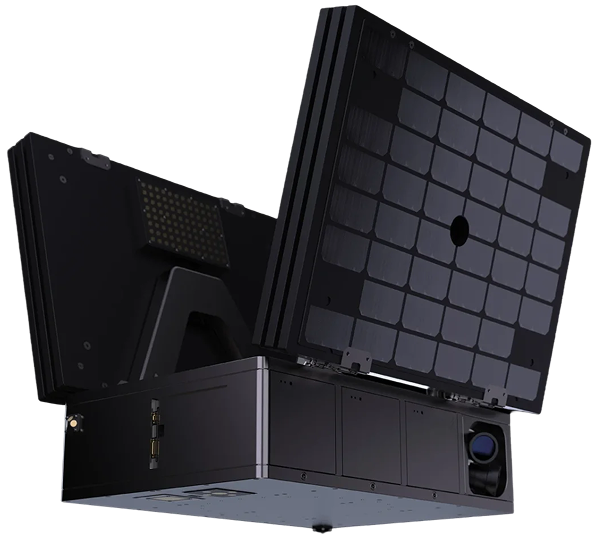
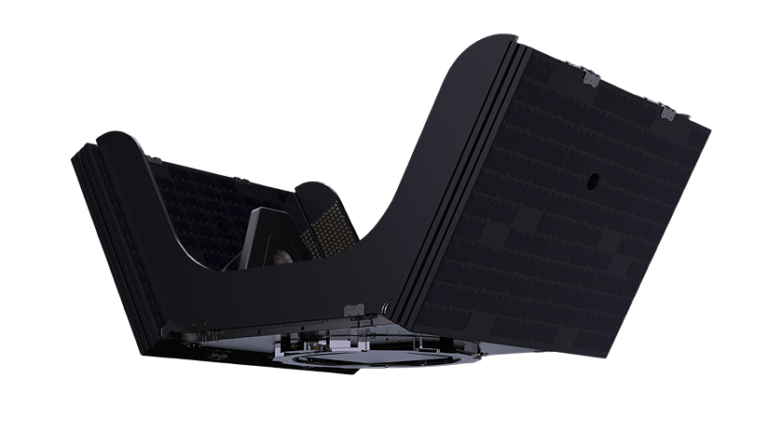
That approach has now put more than 100 satellites in orbit, flying missions for customers across science, AI, and Earth intelligence. The fleet ranges from the CubeSats where the company started to today’s ESPA-class platforms, with hardware that has supported missions to the Moon, to asteroids, and even towards Alpha Centauri, a milestone only a handful of NewSpace companies worldwide have reached.
With an ESPA-class production line built for scale, customer missions now move from idea to orbit in six months. The goal is explicitly commercial: making customers’ space programs profitable. More affordable satellites mean cheaper data – serial production brings the cost of space data down to $1/GB, letting businesses scale space infrastructure fast and run commercially viable services from day one.
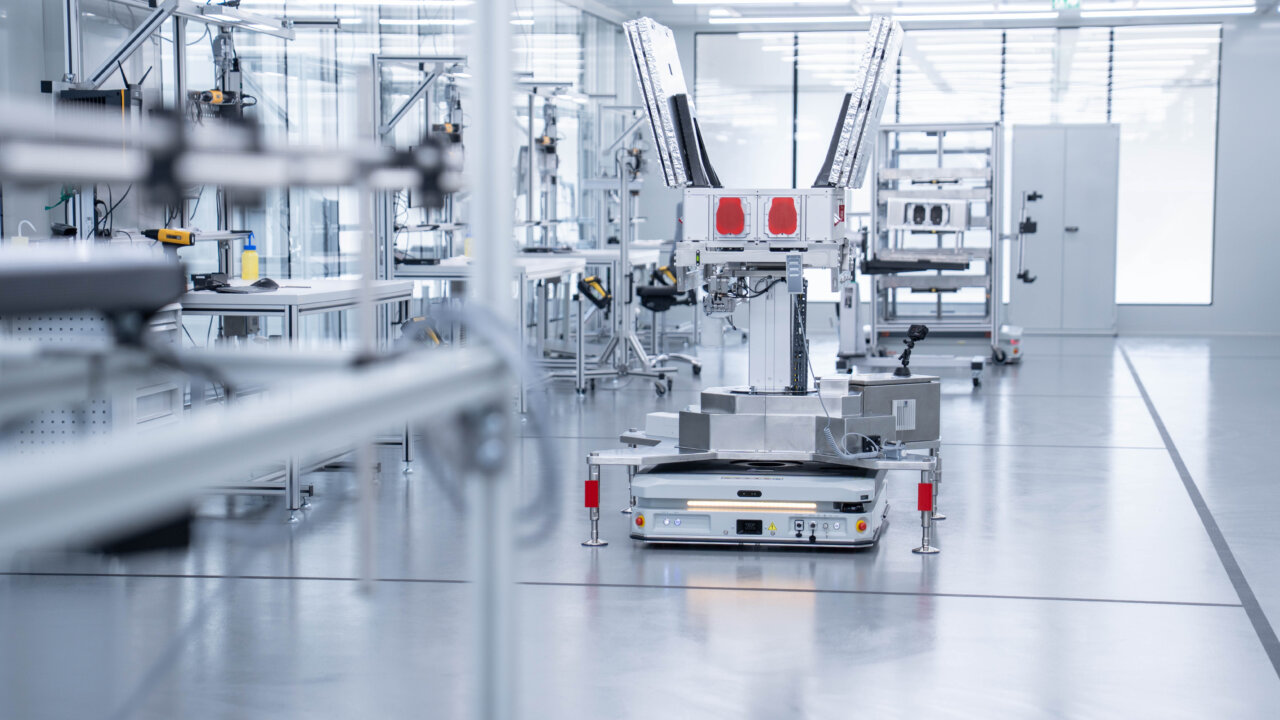
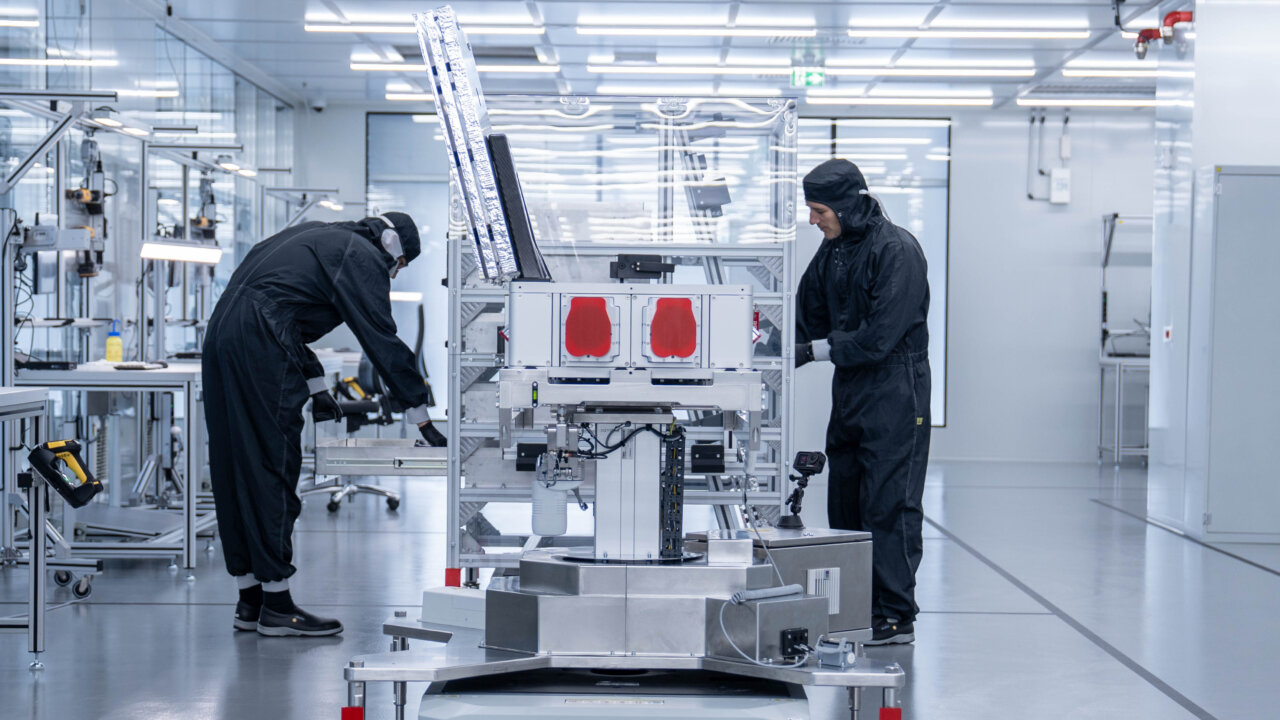
The line can deliver two satellites a day, covering the entire build: subsystems tested in ISO 6 cleanrooms, then integrated into complete FRAME-S satellites through environmental testing and packing, with the layout sized for the larger FRAME-L class. The philosophy is augmented intelligence – technicians work at 32 AR-guided assembly stations, while AGVs, a robotic packing manipulator, and 86% automated testing handle the rest.
The company supports some of the most complex missions in orbit today — Tomorrow.io in weather intelligence, Hubble Network in direct-to-orbit IoT, Marble Imaging in Earth observation, and TrustPoint in sovereign navigation. EnduroSat’s platforms are payload-agnostic by design: the customer brings the payload, and EnduroSat delivers everything around it — satellite bus, integration and testing, launch coordination, and in-orbit operations, with mission data flowing through a single software interface.
In eight years, the company has scaled its satellites 200× to carry customer missions further – from NanoSats to the 1-ton class, now in serial production. EnduroSat spans three continents: teams in Japan, Italy, Bulgaria, Germany, and France; the production line in Sofia, Bulgaria; and a second one in the making in Colorado, US.
EnduroSat is a space infrastructure builder that engineers, manufactures, and operates high-performance satellites, making space universally accessible for commercial and institutional applications. EnduroSat delivers end-to-end space service—from mission design and payload integration to launch and in-orbit operations—through a fixed-cost, constellation-as-a-service model.